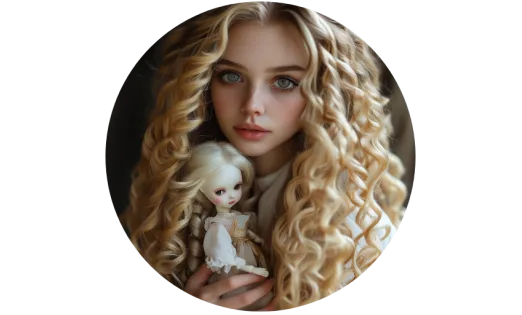
Let’s be honest. Holding a blank BJD head for the first time is equal parts thrilling and terrifying. I remember just staring at it, all that smooth, empty resin. There’s no personality there yet—no glance from its eyes, no expression on its lips. It’s just… potential. And that’s the magic. Right there, in your hands, you’re not just holding a doll. You’re holding an invitation to create a soul. The question is, how do you coax that soul to the surface?
I’ve been in this hobby for nearly twenty years. I recall when information was scarce, often hidden on old forums and traded among friends. I’ve made every mistake—melted pastels, smudged brows, cried over faceups. But nothing matches the magic of seeing your imagined character looking back at you.
This is more than a technical guide—it’s the BJD faceup tutorial I wish I had. We’ll go beyond the basics, covering both essential tools and artistic intent. Before we discuss specific supplies, let’s take a moment to consider the feelings and intentions that make faceup truly meaningful. Forget fear of the blank face; by the end, you’ll be ready to bring your doll to life.
The Philosophy: Before You Touch a Brush
Before discussing supplies, focus on intent. A faceup tells a story. Study your blank doll in various lighting conditions. What does the sculpt show—pensive, playful, or melancholy? The sculptor started the tale; you continue it.
Don’t aim for perfection at first—aim for expression. Faceups are like first dates: you get to know your doll’s character. The most beautiful faceups are not flawless, but feel alive and authentic.
Your Complete BJD Faceup Supplies List for Beginners
Art stores are overwhelming, so here’s the essential beginner BJD faceup supplies list—just what you need.
H3: The Foundation: Sealants & Safety
This is the most critical category. Your sealant is the canvas primer, the layer that protects the resin, and the final varnish that locks in your work.
- Sealant: Mr. Super Clear (MSC) UV Cut Flat is industry standard. Test alternatives like Testors Dullcote, Liquitex Matte Varnish, or Vallejo/Citadel on a spare part first.
- Respirator Mask: Use one for organic vapors (NIOSH P95 or similar) to protect from fumes.
- Safety Goggles: Wear when spraying sealant.
- Gloves: Protect your hands and keep oils off the doll.
- 99% Isopropyl Alcohol or Resin Cleaner: Wipe the head before starting to remove oils or dust.
- Magic Eraser (Melamine Foam): For gently scrubbing off old faceups or stubborn marks.

H3: The Color Palette: Pastels & Pencils
This is where the magic happens. You don’t need a massive collection to start.
- Artist-Grade Soft Pastels (Chalk Pastels): NOT oil pastels. Brands like Rembrandt, Sennelier, or a student-grade option, such as Mungyo Gallery, work well. Alternative sets include Faber-Castell or Prismacolor. Choose one with skin tones, pinks, browns, and accent colors.
- Watercolor Pencils: These are key for fine details. You can use them dry for sharp lines or wet the tip for a more painted look. Faber-Castell Albrecht Dürer and Derwent Inktense are favorites, but Caran d’Ache or Staedtler pencils also work. Pick shades of brown for eyebrows/lashes and pinks/reds for lips.
- Acrylic Paints: A small amount of white, black, and brown acrylic paint is useful. Liquitex or Golden Artist Acrylics work well, but inexpensive craft paints also suffice for details like lower lashes or lips.
H3: The Tools of the Trade: Brushes & More
Good tools make all the difference.
- A Set of soft makeup brushes, including a fluffy blush brush, a smaller eyeshadow blending brush, and a flat shader brush, is ideal for pastels. Brands like e.l.f., Wet n Wild, or Real Techniques offer affordable options.
- Fine-Tipped Paint Brushes: For details. You’ll want a size 0, 00, and maybe even a super-fine 000/20.
- Kneaded Eraser: Perfect for lifting excess pastel without smudging. You can shape it to a fine point to clean up small areas.
- Palette or Ceramic Tile: For grinding your pastels into a fine powder.
- Craft Knife or Palette Knife: For shaving pastel dust onto your palette.
H3: The Finishing Touches: Gloss & Lashes
- Gloss Varnish: For a realistic wet look on lips and tear ducts, use Tamiya X-22 Clear or Liquitex Gloss Varnish. Other options include Vallejo or Mod Podge Gloss. Test each type for compatibility first.
- Eyelashes: Doll-sized eyelashes add incredible realism. They come in various colors and styles.
- Tacky Glue: For applying the eyelashes. Aleene’s Tacky Glue is classic, but other craft glues like Beacon 3-in-1 or a PVA white glue can work. Always test for residue or shine first.

The Heart of the Matter: A Step-by-Step BJD Faceup Tutorial
Alright, you have your tools, you’ve found your inspiration, and you’ve set up a well-ventilated space. Let’s begin.
Step 1: Prep and The Base Coat
First, clean your doll’s head thoroughly with isopropyl alcohol on a lint-free cloth to remove any residue. Let it dry completely.
Apply the sealant outdoors or in a well-ventilated area. Always wear your respirator and goggles. Secure the head on a stand (a dowel in styrofoam works well). Shake the can of MSC for two minutes, hold 10-12 inches away, and apply a light coat. Let it dry (at least 30 minutes) before a second coat.
Step 2: The Blush of Life with Pastels
This is where the personality starts to emerge. We’ll build color in thin, transparent layers. This is the core of how to do a BJD faceup with pastels.
- Grind Your Colors: Scrape a small amount of your chosen pastel colors onto your palette. I like to start with a soft pink, a peachy tone, and a light brown for contouring.
- Apply the Blush: Take your fluffy makeup brush, dip it lightly into the pink pastel dust, and tap off the excess. Gently sweep the color onto the cheeks, the tip of the nose, the chin, and the ears. Think about where blood would naturally flow to the surface of the skin.
- Add Contours: Using a smaller brush and your light brown pastel, add subtle shading to the contours. Common areas are under the cheekbones, in the eye sockets (the crease), along the temples, and on either side of the nose bridge. This adds depth and realism.
- Seal the Layer: Once you’re satisfied with the first layer, take the head back outside and apply another very light coat of sealant. This locks the pastel in place, giving you a fresh surface to work on. You will repeat this “pastel, then seal” process multiple times. Building up color slowly is the key to a soft, natural look.
Step 3: Defining the Features with Pencils
Once you have a few layers of blush and contour sealed in, it’s time for the details.
- Eyebrows: This is arguably the most character-defining feature. Use a very sharp watercolor pencil in a light brown or taupe. Use light, feathery strokes to mimic individual hairs. Start from the inner corner and work your way out. It’s better to build them up slowly than to draw a dark, solid line. You can soften the look by gently smudging the strokes with a small, stiff brush.
- Lips: Outline the lips with a pencil that’s slightly darker than the color you want them to be. Then, use pastels on a small brush to fill in the color. Add a darker shade to the center line where the lips meet to create depth. Use your kneaded eraser to create highlights on the fullest part of the lips.
- Eyeliner: A soft brown or grey pencil can be used to gently define the upper lash line.
Once you’re happy with the pencil work, it’s time to seal it again.
Step 4: The Final Details
Now you can add the tiny things that make a face unique. Use a fine-tipped brush and your watercolor pencils (or thinned acrylic paint) to add lower lashes, freckles, or beauty marks. Remember, less is more.
Step 5: The Final Seal, Gloss, and Lashes
Apply one or two final, light coats of sealant to protect all your hard work. Let it cure for at least an hour, preferably longer.
Using a fine brush, carefully apply your gloss varnish to the lips. You can also add a tiny dot to the inner corner of each eye (the tear duct) for a touch of realism.
Finally, measure and trim your doll’s eyelashes. Apply a thin bead of tacky glue to the lash band and carefully place it along the inside of the upper eyelid. Use tweezers for precision.

The Great Sealant Debate: Mr. Super Clear & Its Alternatives
For years, MSC has been king. However, it can be challenging to find, expensive, and the fumes pose a serious concern. So, what if you need a Mr. Super Clear alternative for BJD faceup?
Why Mr. Super Clear (MSC) is the Gold Standard
MSC is beloved for its incredibly fine spray nozzle and its unique “tooth.” It creates a slightly rough, perfectly matte surface that grabs pastel pigment like nothing else. The UV Cut version also helps protect the resin from yellowing over time.
Finding a Mr. Super Clear Alternative for BJD Faceup
Several alternatives can work well, though each has its quirks. Always test on a spare part or the inside of a head cap first.
- Testors Dullcote is a frequently used alternative. This lacquer-based spray is found in hobby shops and gives a matte finish. Be aware that it may apply more heavily than MSC, so use light, even layers. Some users prefer it for its availability, but always test compatibility with your resin first.
- Liquitex Professional Matte Varnish is available in both spray and brush-on forms. As an artist-grade, water-based acrylic, it is safer for indoor use with good ventilation. The spray version is straightforward, while the brush-on type requires very thin layers applied with a soft brush. It provides workable results, although its surface texture may be smoother than that of MSC. Test before committing to a full faceup.
- Vallejo and Citadel (Games Workshop) Matte Varnishes are made for painting miniatures and can be used for BJD faceups. These are durable, water-based acrylics that produce a matte finish. They may feel a bit different from MSC, so experiment to see how pastels adhere and if the finish meets your needs.

Wisdom from the Worktable: My Final Thoughts
Your journey into faceup artistry will be unique to you. You will develop your own style and techniques. But as you start, remember this: be patient with yourself. Your hands will shake when you draw the first eyebrow. You will put too much blush on. We all did.
The beauty of this process is that it’s not permanent. With a little magic eraser and some alcohol, you can always wipe the slate clean and begin again. This isn’t failure; it’s practice.
You’ve just completed your first comprehensive BJD faceup tutorial. Now, it’s time to pick up your brush and start your own journey. Share your progress, ask questions, and connect with fellow artists. Embrace the collaboration with your doll—create, learn, and show your unique artistry. Welcome to the club. Let’s see what you create next!
BJD Customization & Maintenance Series
- BJD Magnet Installation: The Ultimate Safety Guide to Unlocking Dynamic Posing
- BJD Stringing Tension Guide: Optimizing Posing & Stability
- BJD Resin Whitening & Anti-Yellowing: A Collector’s Proven Guide to Preserve Beauty
- Mastering Advanced BJD Faceups: Beyond Basics to Lifelike Artistry
- BJD Eye Well Modification: Achieving Deeper, More Expressive Gaze
- BJD Joint Maintenance: Keeping Your Doll Posing Perfectly for Years